






























Why Awareness Campaigns Are Essential to School Sales
Why Awareness Campaigns Are Essential to School Sales
Learn how awareness campaigns help education suppliers build trust, reach schools before buying windows open, and generate more school sales.
Learn how awareness campaigns help education suppliers build trust, reach schools before buying windows open, and generate more school sales.



If you only look at which emails generated enquiries, you can miss some of the work that made those enquiries possible. A teacher who replies in March may have first come across you months earlier, and by then they’ve had enough contact with your company to recognise the name and have some idea of what you do.
School buying decisions usually have a window. A contract might be coming up for renewal later in the year, or a department may start thinking about next September well before anybody is formally comparing suppliers. Awareness campaigns give you time to build familiarity before the school reaches that point, so your name already means something when the buying conversation starts.
When the more sales-focused emails start landing, you want the teacher to already understand the problem you solve and have some reason to trust you. This blog looks at how awareness campaigns lay those foundations, how to recognise when a teacher is moving closer to a purchase, and how personalised sales enablement emails can then help turn that interest into a proper sales conversation.
Awareness starts the sales process before the buying window opens
The sales process often starts months before a school is ready to choose a supplier. A teacher might first come across you while their current contract still has six months left to run, or while a problem is being discussed internally but nobody has started researching solutions properly yet. That early contact is still part of the sale.
Most school purchases need several touchpoints before somebody is ready to have a proper conversation. One email introduces you, another gives the teacher a useful example from a similar school, and a later campaign might answer one of the questions they were already starting to think about. Each interaction gives them a little more context and makes your company less unfamiliar.
By the time the buying window opens, you want some recognition and trust already sitting there. The teacher has seen your name before, has a reasonable idea of what you do, and has had enough useful contact with you to feel that a demo or sales conversation is the next sensible step.
Good timing puts you in front of schools before they start comparing suppliers
Awareness works much harder when it’s planned around the way your customers actually buy. If schools usually start researching your type of product in February for a September implementation, you’ve got a useful period beforehand to build recognition so you’re already familiar by the time supplier research becomes more serious.
Work backwards from that buying period and think about what would be useful at each stage. Earlier emails can introduce the issue and establish why it deserves attention. As the likely buying window gets closer, you can bring in stronger product detail, customer evidence, and clearer reasons to start a conversation.
Your own sales data should help you work out the timing. Look at when enquiries tend to rise and how far in advance schools normally need to make decisions about what you sell, then give the awareness activity enough runway to do its job before the sales push begins.
Familiarity makes later sales messages easier to act on
There’s a big difference between seeing a sales email from a company you’ve never heard of and seeing one from a supplier whose name you already recognise. Even fairly light awareness over a few months can change that. The teacher may have read one of your articles, noticed a case study, or simply seen your name often enough for it to feel familiar when a more sales-focused email eventually arrives.
That familiarity removes some of the uncertainty that comes with engaging a new supplier. They already know roughly what you do, they’ve had a chance to see how you talk about schools, and your company no longer feels like a complete unknown asking them for 30 minutes in the diary.
You’re also much more likely to come to mind when the need becomes active inside the school. If a teacher has been seeing useful, relevant content from you for several months and then gets asked to research suppliers, you’ve already done some of the work required to get onto that initial shortlist.
Useful touchpoints keep teachers engaged and moving through the funnel
Sending several emails only helps when the campaign actually develops. Four messages making essentially the same pitch with a different subject line will start to feel repetitive pretty quickly, and teachers have very little reason to keep opening if each one tells them something they already know.
Give every email something useful to add. You might start by exploring a problem the teacher recognises, then follow with evidence from another school, a practical example, or a deeper look at how the product works. Each touchpoint should reward the teacher with a little more value or understanding, so staying engaged with the campaign feels worthwhile.
That progression is also what helps move teachers through the funnel. Think about what you want them to understand after each touchpoint, then use the next email to move them a little closer to a buying decision. By the point you ask for a demo, reply, or sales conversation, they should know considerably more about you than they did at the start, and the move into a more sales-focused conversation feels like the next stage of something that has already been building.
Trust has time to build before the sales conversation starts
A teacher seeing your company for the first time has very little context for the claims you’re making. You know the product works and you know how much experience sits behind it, while they’ve got an email from a supplier they may never have heard of before.
Awareness campaigns give you time to put some substance behind those claims. Proper case studies help enormously, as do useful statistics and examples from schools that feel relevant to the person reading them. The way you talk about the sector matters too, because teachers can usually tell when a supplier understands the environment they’re selling into.
By the time somebody reaches a sales conversation, much of that credibility can already be in place. The salesperson is picking up with somebody who recognises the company and has already seen reasons to believe the product deserves a closer look.
Early awareness gives you room to earn the bigger sales ask
“Book a demo” asks for a decent chunk of somebody’s time. A teacher who has only just come across your company may be curious enough to read a case study or click through to your website, while committing half an hour to a sales call might be several steps further than they want to go at that point.
Give the earlier stages of the campaign easier ways to engage. A useful piece of content, a short video, or a quick look at the product can let teachers explore the idea and build some familiarity before the more direct sales asks start appearing.
As the buying window gets closer and engagement increases, you can ask for more. The teacher has had time to understand what you do, so booking a demo or replying to talk about the product feels proportionate to the interest they’ve already shown.
Engagement shows you where interest is starting to build
With an awareness campaign, you’re looking for signs that the right schools are starting to pay attention. Are teachers coming back to related content, are particular topics getting more engagement from the roles you want to reach, and are the same contacts beginning to interact with you more than once?
That behaviour starts to tell you where interest is building. A teacher who repeatedly engages with content around one particular problem is giving you more useful information than a single open ever could, because you can start to see what they care about and how their interest is developing.
Use that information to shape what comes next. The more engaged contacts can gradually receive more specific, sales-focused messages, while the wider audience keeps getting useful awareness content until there’s a stronger reason to move them further down the funnel.
Awareness helps you spot when interest becomes buying intent
An open or a click tells you somebody has engaged with the campaign, which is useful when you’re building awareness. Buying intent becomes much easier to spot once a teacher starts asking questions that relate directly to a purchase.
Pricing, implementation, availability, contract timing, or a request for a demo all tell you far more about where that teacher is in the buying process. At that point, you know what they’re interested in and have a much better idea of what they may need next.
That gives you something concrete to build the next email around. You can answer the question they’ve raised, give them the information that helps move the purchase forward, and start making the conversation more personal.
Those signals let you segment teachers and tailor what comes next
Once teachers start showing different levels of interest, your audience should start being treated differently too. Somebody who has only opened an awareness email can stay in the broader campaign, while a teacher who has asked about pricing, clicked repeatedly around one product, or told you they’re planning for September has given you enough information to move them further through the funnel.
That’s where segmentation and personalised follow-up emails become much more useful. You can send content that matches what they’ve already shown an interest in, answer the questions they’ve raised, or time the next message around the point they’ve said the purchase will become relevant. The teacher gets something that feels connected to where they are in the buying process, rather than another generic email that could have gone to anybody.
Over time, the campaign becomes more tailored as the teacher gives you more to work with. Awareness emails keep building familiarity with the wider audience, while the more engaged contacts receive increasingly specific messages designed to help them take the next step.
Warm interest gives personalised sales enablement emails something to work with
This is the point where the emails can start doing more of the selling. A teacher may already understand the product and have shown some buying intent, so the next job is helping them get closer to a decision: answering the questions that are holding things up, giving them useful evidence, and creating an easy reason to reply.
This is part of how Sprint IQ works. Sprint IQ is our fully managed school lead generation service, using Sprint’s education data to reach the right school decision-makers with targeted campaigns. When teachers start showing genuine interest, personalised sales enablement emails help develop that interest into replies and sales conversations that can be handed over to your sales team.
Done well, those emails bridge the gap between somebody showing interest and somebody being ready for a proper sales conversation. You’ve already built the familiarity through the wider campaign, and now you’re using more personal, sales-focused communication to help turn that interest into something your sales team can actually pick up and progress.
Sprint IQ connects that awareness with the sales conversation that follows
Sprint IQ starts with the schools and decision-makers most likely to buy from you, then uses targeted campaigns to build familiarity with the right audience before the sales conversation needs to happen. As individual teachers begin showing stronger intent, personalised sales enablement emails can take the conversation further and prompt the kinds of responses your sales team can act on.
That gives sales a much warmer starting point. They’re speaking to teachers who already know something about the company and have shown a reason to believe the purchase is becoming relevant, while the wider campaign keeps developing the schools whose buying window is still further away.
Over time, each email has a slightly different role in moving the school closer. You build recognition early, deepen their understanding as the buying window approaches, and become more personal once genuine interest starts showing.
That’s how awareness earns its place in a school sales strategy. You’re laying the groundwork before asking for the sale, then using the signals teachers give you to decide when the campaign should become more direct.
If you want to build a school marketing campaign that develops awareness before turning that interest into genuine sales conversations, book a free education strategy call with the Sprint team. We can look at when your customers tend to buy, how you’re building familiarity beforehand, and how Sprint IQ could help turn more of that interest into sales-ready school leads.
Tags
Marketing to Education
Marketing to Schools
Marketing to Teachers
Selling to Schools
Selling to Teachers
Similar Articles

The 'EdTech Wishlist' of 1,039 Teachers (New Survey)
The EdTech and software insights you need to really tick teachers’ boxes.
Read Post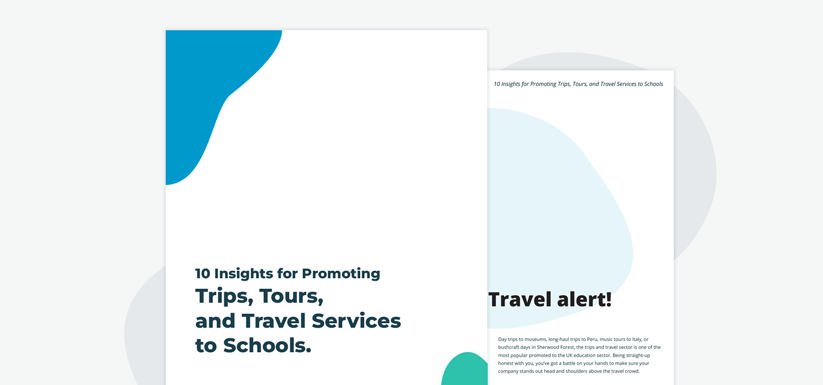
Marketing Trips, Tours, and Travel to Schools
Learn 10 game-changing insights especially for trips, tours, and travel providers to enhance your education marketing campaigns when emailing schools.
Read Post