



































Why Are Schools Not Responding to Our Marketing Emails?
Why Are Schools Not Responding to Our Marketing Emails?
Not getting replies from schools? Learn why your school marketing emails aren’t working and how to improve them.
Not getting replies from schools? Learn why your school marketing emails aren’t working and how to improve them.



A quiet campaign can be frustrating because it doesn’t always tell you what went wrong. You can look at the data and see sends, opens, maybe a few clicks, but the part you actually care about, the replies and conversations, never really arrives in the way you expected.
That’s where a lot of businesses start guessing. Schools might be busy, the subject line might not have landed, the offer might not have been clear enough, or the timing might not have quite lined up. Each of those can play a part, although a more useful question is where the email lost the reader.
In school marketing, a response usually depends on several small things lining up. The message needs to reach the right person, feel relevant quickly, arrive at a workable moment, make the offer easy to understand, and give the reader a simple next step. When a few of those elements are slightly off, replies become less consistent and much harder to predict.
The contact might be too far from the problem
One of the most common reasons schools don’t respond is that the email reaches someone who can understand the message, but doesn’t own the issue closely enough to act on it.
A safeguarding product, for example, might be broadly relevant to the school, but it will usually land very differently with a DSL than with a general teaching contact. A finance or procurement message may make sense to a business manager, while feeling removed from what a classroom teacher needs to deal with that day. A GCSE revision platform may get more traction with a head of department, because the person reading it can immediately connect it to outcomes, workload, and pupil performance.
This is where a lot of campaigns lose momentum before the copy has had a fair chance. The message may be decent, the offer may be useful, and the timing may even be fine, but the reader doesn’t have enough connection to the problem to reply or pass it on.
Better targeting reduces that distance. When the email lands with someone who already feels the pressure you’re describing, the message doesn’t need to work so hard, because the relevance is already there.
The message may be relevant, but not quickly enough
School staff make very fast decisions about emails. They’re rarely sitting down to study each message carefully, because they’re moving between lessons, meetings, admin, pupils, parents, and whatever else has appeared that day.
That means relevance has to show up early. If the first few lines are about your company, your platform, your mission, or a broad claim like “supporting school improvement”, the reader has to do too much work before they understand why it matters.
A stronger email usually starts closer to the thing they recognise. For a behaviour product, that might be low-level disruption becoming harder to manage consistently across staff. For an attendance tool, it might be the time spent chasing patterns across year groups. For a workload solution, it might be the weekly pressure of marking, reporting, or planning.
The product can come in after that, once the reader has a reason to care. Starting with the situation makes the email feel more like it belongs in their world, which gives it a much better chance of turning into a reply.
The timing may be working against you
Schools buy and respond throughout the year, but their attention moves around depending on what else is happening. A message can be relevant and still take longer to generate a reply if it arrives during a pressured period.
Exam season is a good example, especially for secondary schools, because attention is pulled towards assessment, intervention, revision, and results. End-of-term periods can also slow things down, as schools are often closing off existing priorities instead of opening up new conversations. Around the start of term, there may be more buying activity, although staff are also getting routines, timetables, and priorities in place, so the message still needs to feel immediately useful.
This is why judging a campaign too quickly can be misleading. A school might open the email, recognise the relevance, and still leave it until later because the timing isn’t workable in that moment.
Follow-up campaigns help here because they give the message more than one chance to land. The first email may introduce the idea, while later messages keep it visible as priorities shift.
The offer might be too hard to understand
Sometimes schools don’t respond because the offer isn’t clear enough to act on. The email says what the product is, but the reader is left unsure what changes, who it helps, or what they would actually get by replying.
This often happens when the message tries to cover too much at once. A company might mention features, outcomes, use cases, awards, integrations, pricing, and a demo, all in one email, hoping one of those points will appeal. The result is usually the opposite, because the reader has to work out the main reason to care.
A clearer offer usually answers three things quickly: what problem are you talking about, what changes for the school, and what is the next step. If you can answer those without making the email feel heavy, the reader has a much easier route into the conversation.
For example, “see how three local secondaries reduced admin around trip planning” is easier to act on than “learn more about our enrichment platform”, because it gives the reader a specific reason to respond.
The inbox may already be full of similar messages
School inboxes are busy, and that creates a separate challenge from timing. Even when someone is available, your email is still competing with internal messages, parent communication, supplier emails, newsletters, reminders, and operational updates.
This is where generic school marketing becomes very easy to ignore. If the subject line and opening feel like something the reader has seen many times before, the email blends into the background. Phrases like “helping schools improve outcomes”, “supporting teachers”, or “transforming education” may sound polished, but they rarely give the reader anything specific to hold onto.
Being specific is what helps you cut through, and that often means using real detail rather than broad claims. Mention the role, the situation, the school type, the subject, the pressure point, or the outcome, and where possible include numbers, percentages, or concrete results that make the impact easier to understand.
A message about reducing KS3 marking time by 30%, improving attendance follow-up across Year 9, or helping three similar schools streamline safeguarding logs carries far more weight than a general message about helping schools succeed, because it gives the reader something tangible to latch onto.
Specificity also shapes how your brand is perceived over time. Messages that feel relevant and grounded are more likely to be read again in future, while messages that feel vague are more likely to be filtered out quickly.
The next step may feel too heavy
A lot of school emails ask for too much too soon. The reader might be interested, but if the only next step is booking a demo, arranging a meeting, or committing time to a longer conversation, it can feel easier to leave it.
That doesn’t mean demos are the wrong goal. It means the email has to earn that step, especially when the reader is still working out whether the offer is relevant.
Lower-friction calls to action often work well at the start. A short question, a relevant example, a quick resource, or an invitation to see how similar schools are approaching the issue can feel easier to respond to than a direct push for a meeting.
The aim is to start a conversation. Once that happens, there is space to understand the school’s context and guide things forward more naturally.
How Sprint IQ helps solve this
These challenges rarely sit in isolation, and that’s where campaigns often struggle. You can improve targeting, refine messaging, adjust timing, and still find that responses feel inconsistent because everything isn’t quite working together.
Sprint IQ is designed to tackle that as a joined-up approach. Instead of relying on one-off campaigns, it combines accurate targeting with more frequent, personalised sales enablement emails that keep your message visible and relevant over time.
Those emails are shorter, more direct, and built around specific situations, which makes them easier for schools to engage with. They sit alongside broader marketing campaigns, so you’re not relying on a single send to generate a response. Instead, you’re building familiarity and creating multiple opportunities for schools to engage when the timing feels right on their side.
That combination tends to smooth out the peaks and dips that many campaigns experience, because you’re no longer dependent on everything landing perfectly in one moment.
How to improve response rates from schools
If your emails aren’t generating the replies you expected, the answer usually sits in the details of targeting, relevance, timing, clarity, and follow-up.
- Check whether the email is reaching the role closest to the problem, because distance from the issue often reduces the likelihood of a response.
- Open with a situation the reader recognises, so relevance is clear before you introduce the product or explain how it works.
- Keep the email focused on one clear reason to respond, rather than trying to cover every benefit in the first message.
- Use follow-up campaigns to stay visible across the school buying cycle, especially when the first email lands during a busy period.
- Introduce more personalised, sales-style emails alongside your campaigns to create more natural opportunities for response.
What this means for your campaigns
Schools do respond to marketing emails, although the response depends on how easy it is for the reader to recognise the relevance, understand the offer, and take the next step.
Improving response rates usually comes down to reducing friction at each stage. The right contact should be able to see why the message matters, understand what is being offered, and respond without needing to work through it.
If you want to improve response rates from schools, book an education strategy call with our team and we’ll show you how our data, targeting, and Sprint IQ campaigns can help you generate more consistent replies.
FAQs
Why are schools not responding to my emails?
Emails often go unanswered when targeting, relevance, timing, or clarity are slightly off, which makes it harder for the message to land.
Do schools respond to marketing emails?
Schools do engage with marketing emails when the content feels relevant to their role and easy to act on.
How can I improve email response rates from schools?
Refine targeting, make the message immediately relevant, and use follow-up campaigns to stay visible over time.
What is the best way to email teachers and school staff?
Focus on role-specific challenges, keep messages clear and direct, and give a simple next step.
What is Sprint IQ and how does it help?
Sprint IQ
combines accurate targeting with personalised, sales-style email campaigns that keep your message visible and generate more consistent engagement from schools.
Tags
Marketing to Education
Marketing to Schools
Marketing to Teachers
Similar Articles
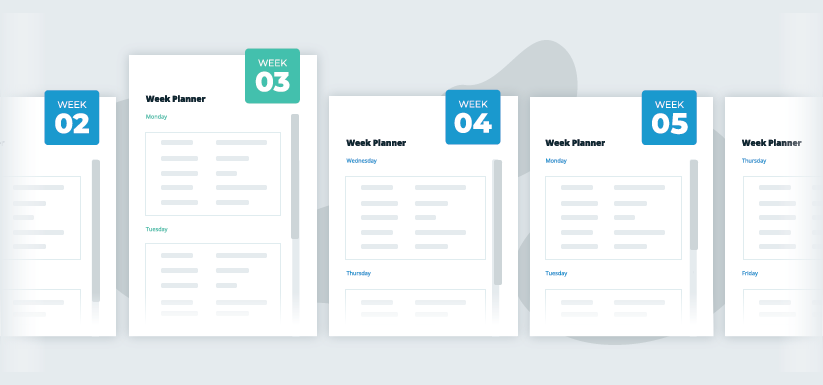
Your Six-Week Edu-Marketing Countdown to the Summer Holidays
Get your free six-week marketing plan to boost your selling-to-schools strategy ahead of the summer holidays, and secure even more sales come September.
Read Post
Campus Update: Enhanced List Building for Education Marketing
Targeting schools and teachers in the UK just got simpler, discover our versatile new list builder
Read Post