



































Why Being “Boring” Helps You Sell More to Schools
Why Being “Boring” Helps You Sell More to Schools
Why “boring” marketing works when selling to schools. Learn how safe, simple messaging helps generate more leads from teachers.
Why “boring” marketing works when selling to schools. Learn how safe, simple messaging helps generate more leads from teachers.


Most education brands assume their marketing needs to sound exciting if they want schools to pay attention.
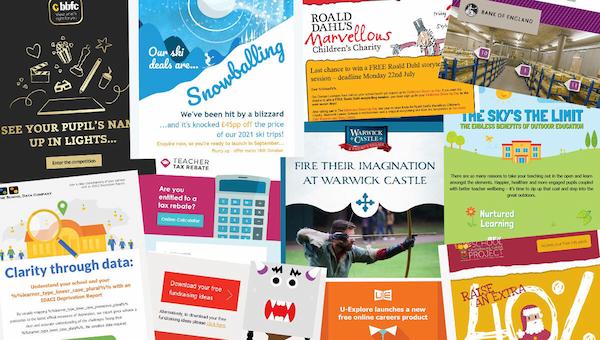
Their campaigns are packed full of statements about revolutionary platforms, game-changing technology, and disruptive innovation. The language feels energetic, modern, and impressive.
And when they press send, they expect teachers to be just as excited.
But when that email lands in a school inbox, something else often happens. Nothing. No replies, no enquiries, no curiosity. By the end of the week, the conclusion is usually the same: schools probably just aren’t buying right now.
The reality is a bit different.
Schools are buying. They just tend to buy from brands that feel familiar, sensible, and low-risk rather than those that appear loud or unpredictable, particularly when up against changing landscapes and budgets not rising to match inflation.
That’s why one of the strangest truths about marketing to schools is:
The brands that win often sound a little… boring.
Schools buy safe, not exciting
In many industries, excitement sells. Consumers want novelty, tech buyers want innovation, and start-ups compete to sound bold and disruptive. Schools operate under a different set of pressures.
When a teacher, subject lead, or business manager reads a supplier’s email, they’re rarely thinking about how exciting the offer sounds. Their internal question is much more practical: Will it solve a problem we have without creating extra work for us?
School decisions carry layers of scrutiny. Budgets are tight, leadership teams need to justify spending, and staff workloads are already heavy. Introducing a new supplier can mean training, implementation time, and potential disruption. If something goes wrong, the consequences are felt immediately in classrooms.
Because of this, schools naturally gravitate toward the option that feels safest.
That’s why the messaging that resonates with educators rarely sounds dramatic. Instead, it emphasises reassurance:
“Used by schools like yours.” “No extra admin.” “No training required.” “Proven and easy to implement.”
Language like this signals reliability, and tells a busy school that the solution is predictable and manageable. As The 2026 Schools Marketing Guide puts it…
If it’s not sexy, to schools it becomes more purchasable!
This isn’t to say you can scrap all of those ‘exciting’ words. Things like innovative, high-impact, or award-winning can still play a role in your marketing - particularly in places designed to grab attention. But more on this later…
Why reassurance matters so much to school buyers
None of what we’ve said so far means schools dislike innovation. New technology, programmes, and services enter the sector every year. However, schools rarely adopt something because it feels exciting. They adopt it because it feels safe enough to try.
That sense of safety usually comes from a few signals. Perhaps another school nearby is already using the service. Maybe the setup appears straightforward and doesn’t require extensive staff training. Maybe the supplier has demonstrated that the product fits easily within existing school routines.
From a teacher’s perspective, their day is already packed with lesson preparation, safeguarding responsibilities, meetings, marking, and communication with parents. Anything that hints at extra complexity can trigger an instinctive hesitation.
This is why a message overly pushing something as “ground-breaking” can sometimes create doubt. It suggests change, adjustment, and new processes.
Meanwhile, the supplier who says “already used by hundreds of schools and takes minutes to set up” immediately feels easier to trust. In school purchasing, the safest supplier often ends up winning the budget.
Wait - don’t misinterpret this advice!
We want you to hear us out when we say schools prefer safe messaging, but we definitely don’t want you to take the idea too literally.
Don’t strip out everything interesting or engaging from your marketing, because the result will be content that feels dull and lifeless.
The key is understanding what kind of “boring” schools actually respect.
Schools don’t want flashy hype, but they also don’t respond to emails that feel empty or forgettable. What works best is messaging that feels reassuring, human, and sensible while still standing out from the crowd.
Those two ideas are very different, and confusing them is where many campaigns fail. Emails that sound overly dramatic can make schools cautious, while emails that feel dull and devoid of personality simply get ignored.
The most effective school marketing sits somewhere in the middle: calm and credible, yet still interesting enough to earn attention.
The art of “carefully constructed boring”
The best marketing to schools often looks deceptively simple.
An email might highlight that a service is used by hundreds of schools, requires no additional training, and can be implemented quickly. At first glance it feels straightforward and almost understated.
Behind that simplicity, however, is careful construction.
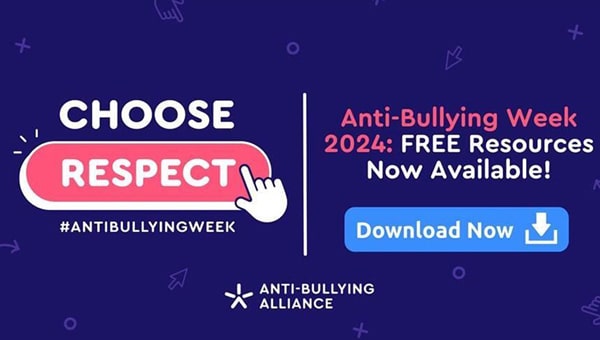
The subject line has been chosen to spark curiosity without sounding overly promotional. Sometimes this is where that slightly more energetic language we mentioned earlier earns its place. Using innovative, high-impact, or award-winning in your subject lines can help an email stand out in a crowded school inbox, or in your email headers to entice readers to scroll down and read the bulk of your email. But once they’re in, the core message should quickly return to something reassuring and practical (but, remember, not dull and lifeless).
The tone should feel conversational rather than corporate. The benefits should be framed in a way that clearly connects with school pressures. And the message should end in a way that invites a reply rather than pushing for an immediate sale.
This balance is what allows the email to appear relaxed and human while still doing the job of marketing.
It’s like buying a pair of ripped jeans. They look casual and effortless, but they’ve been deliberately designed to appear that way. Effective school marketing follows a similar principle: the message appears simple and natural, but every element has been intentionally shaped to make the reader comfortable enough to engage.
When the tone feels human, the risk feels lower. And when the risk feels lower, schools are far more likely to respond.
Why this approach works particularly well with email
Email marketing remains one of the most effective ways to reach school staff, but it only works when it respects how educators actually interact with their inboxes.
Teachers and leaders tend to scan messages quickly between lessons or meetings. Anything that looks overly promotional is often dismissed instantly. Equally, anything that feels complicated is likely to be saved for later, which usually means it is forgotten entirely. That’s without going into the minefield of which words are more likely to land your email in the spam folder.
Emails that perform well share a few common characteristics. They are concise but not abrupt, helpful rather than pushy, and written in a tone that feels personal. Instead of pushing hard for sales, which is off-putting to most teachers, they often encourage a simple response or question, which naturally opens a conversation.
This approach works because school purchasing decisions rarely happen instantly. A teacher might read an email today but only discuss the idea weeks or even months later during a department meeting or planning session for the following term.
When that conversation happens, familiarity suddenly becomes valuable.
If someone in the room says, “I’ve heard of them before,” the supplier immediately feels less risky. Recognition shortens the path to trust, and trust is what ultimately unlocks school budgets.
The quiet advantage of calm marketing
That last point is why successful education marketing sometimes looks less dramatic than people expect.
Instead of loud, one-off campaigns promising transformation, the brands that perform well tend to focus on consistent, reassuring communication. Their messages emphasise reliability, relevance, and an understanding of school pressures.
Over time this creates something powerful: recognition and trust.
When schools encounter your brand repeatedly in a calm, helpful context, you begin to feel familiar and dependable - some of the most valuable things you can be in the education sector.
Blend the boring with the bold
In many industries, the most exciting brand wins.
Schools are different. They don’t reward the boldest marketing, but the supplier that feels safest to choose. And that’s why the brands that win schools often sound a little… boring.
But when that “boring” is carefully constructed, you unlock that powerful reassurance needed to turn curiosity into a conversation.
If you’d like help cracking the art of “boring” without being forgettable, speak with one of our education marketing strategists, and we’ll craft a winning strategy that’ll make your brand the top choice for schools.
Tags
Email Marketing
Marketing to Schools
Selling to Schools
Similar Articles
Marketing Universities to Schools
Learn 10 game-changing insights to make your university a student's first choice by enhancing your education marketing campaigns when emailing schools.
Read Post
What Teachers Want from Education Businesses (UK Staff Survey Results)
In this blog, John shares some eye-popping, chin-stroking, and head-scratching results from our recent UK Teacher survey.
Read Post