







































Why Schools Ignore Good Suppliers
Why Schools Ignore Good Suppliers
Good suppliers are often overlooked by schools. See how clearer marketing, stronger targeting, better timing, and familiarity drive enquiries.
Good suppliers are often overlooked by schools. See how clearer marketing, stronger targeting, better timing, and familiarity drive enquiries.



Some organisations seem to generate a steady stream of enquiries from schools without doing anything particularly remarkable. Others have products that are every bit as good, sometimes better, yet they’re left wondering why schools don’t seem interested.
A supplier can have excellent software, brilliant workshops, genuinely useful services, or resources that make a real difference in the classroom, then still struggle to generate consistent enquiries because schools never reach the point where they properly evaluate what’s being offered. Somewhere between opening the email and emailing you back, the interest quietly fizzles out.
Good suppliers are overlooked for all sorts of reasons, many of which have very little to do with the product itself. Sometimes the marketing falls flat, sometimes the campaign reaches the wrong person, and sometimes the opportunity never survives the realities of school life long enough to be properly considered.
Your marketing was poor
A surprising number of suppliers undermine perfectly good products with poor marketing.
Teachers receive emails about software, workshops, training, enrichment activities, resources, and countless other opportunities throughout the school year. Every campaign is competing for attention from the moment it arrives, so a weak first impression can quietly end the conversation before the school has even understood what you’re offering.
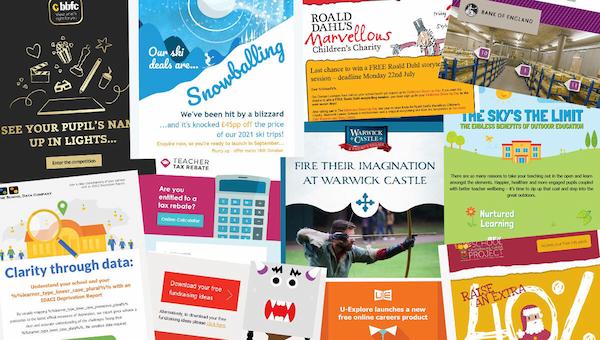
Sometimes the problem is painfully obvious. The email looks like it was designed in 2009, the copy is full of spelling mistakes, the subject line feels like clickbait, or the layout makes it difficult to read. More often, the issues are less in-your-face but just as damaging: the opening paragraph talks about the company instead of the school, the email never clearly explains the USP, the call to action is buried halfway down the page, or the reader is expected to piece everything together by clicking through three different links and downloading a brochure.
We’ve seen campaigns where the product itself is genuinely excellent, yet the marketing makes it feel completely ordinary. Meanwhile, another supplier with a fairly average product is consistently generating enquiries because they’ve invested just as much effort into explaining the value as they have into creating it.
Marketing shouldn’t leave schools searching for reasons to care. Within a few seconds of opening the email, teachers should already understand why you’ve contacted them, what problem you’re solving, and why it’s worth spending another minute reading.
The right person never saw it
Even the strongest campaign will struggle if it lands with somebody who’ll never be involved in the decision.
School purchasing decisions often involve a chain of several influencers and decision-makers. A classroom teacher might discover a product, a head of department may decide whether it’s suitable, a school business manager may become involved once budget is being discussed, and senior leaders may need to approve larger purchases before anything moves forward. Multi-academy trusts can add another layer again, with some buying decisions remaining at school level while others sit almost entirely with central trust teams.
Choosing your audience deserves as much attention as writing the email itself. A workshop designed for careers leaders won’t generate many enquiries if it’s sent exclusively to headteachers, and a curriculum resource can easily underperform if it reaches senior leaders before the subject leads most likely to champion it.
Good education data makes those decisions much easier. Rather than treating every school as one generic organisation, specialist education databases allow suppliers to identify the people most likely to discover, influence, and approve a purchase, giving every campaign a far better chance of reaching somebody who can actually move the conversation forward.
Buying your product looked harder than keeping the current supplier
Schools evaluate the product in front of them while also thinking about everything that happens after they say yes.
Somebody needs to introduce it to colleagues, answer questions, organise training, find time for implementation, and make sure staff actually use it. If the product affects multiple departments or several schools across a trust, those conversations become even bigger.
That’s why suppliers sometimes lose opportunities long before pricing becomes the deciding factor. A product may offer more features, stronger reporting, or better outcomes, although schools can still hesitate if adopting it feels like creating months of extra work for already stretched staff.
The suppliers that make change feel manageable often remove those concerns before they’re ever raised. Free trials, pilot programmes, phased implementation, payment plans, MAT-wide pricing, onboarding support, and clear implementation plans all reduce uncertainty, helping schools picture a straightforward transition rather than a major operational headache.
Schools couldn't work out where your product fitted
Teachers know their curriculum, priorities, and responsibilities far better than any supplier ever will, so given enough time they'll usually work out where your product fits. The difficulty is that very few teachers have that time, so your email needs to be clear from the get-go.
The suppliers generating the strongest engagement remove that effort altogether. If your workshop supports Years 5 and 6, say so. If your software has been designed for school business managers, make that obvious. If your resource helps schools deliver Gatsby Benchmarks, supports a particular curriculum topic, or fits naturally into an awareness week, don't expect teachers to piece those connections together themselves.
The quicker a school understands where your product fits, who it's for, and what problem it solves, the easier it becomes to picture using it. Every extra click, brochure, or paragraph asking teachers to join those dots creates another opportunity for the email to be closed and forgotten.
Schools didn't know you well enough
Schools buy from new suppliers every year, although familiarity still plays a much bigger role than many businesses realise.
Think about the organisations you buy from yourself. Most weren't discovered and trusted within a single afternoon. You probably came across them several times before eventually getting in touch, whether that was through an email, a recommendation, a conference, a Google search, or seeing their name appear often enough elsewhere that they simply felt familiar.
Schools behave in much the same way. One campaign introduces your organisation, another reinforces it, a case study builds confidence, and over time your name becomes one that teachers recognise rather than one they've never seen before. By the time the right opportunity comes along, your organisation already feels like a credible supplier instead of a complete unknown.
That's one of the reasons consistent school marketing is so effective. Staying visible through relevant campaigns, useful content, conferences, sales development activity, and case studies gives schools multiple opportunities to build confidence in your organisation without overwhelming their inboxes.
The timing wasn’t right
Schools continue discovering suppliers throughout the academic year, but their ability to act on new opportunities changes constantly. Budgets move through planning cycles, priorities shift, staffing changes, inspection activity comes and goes, and departments naturally focus on different things at different points in the year. A genuinely useful product can arrive while all of those conversations are pointing in another direction.
The visible results from one campaign won’t show the conversations, reminders, and early-stage interest happening inside the school. A teacher might save your email for later, mention it briefly in a meeting, bookmark your website, or simply remember your organisation a few months later when the conversation becomes relevant again. None of those actions appear in a campaign report, although they often influence enquiries further down the line.
Understanding the school buying cycle helps suppliers stay visible when those opportunities begin to appear. The organisations generating the strongest long-term results plan campaigns that build familiarity throughout the year, while recognising there are natural points where schools become more likely to evaluate new suppliers.
Make it easier for schools to choose you
Good suppliers get overlooked every day, and it’s frustrating because it can feel like schools have judged the product when, half the time, they never got close enough to properly consider it.
The good news is that most things are fixable problems. Improve the message, sharpen the audience, reduce the friction, build familiarity, and plan around how schools actually buy - and suddenly, more of the right people get far enough to see why you’re worth considering.
Book an education strategy call with Sprint Education and we’ll help you find the gaps in your current approach, then build a stronger campaign strategy around how schools discover, trust, and choose suppliers.
Tags
Marketing to Education
Marketing to Schools
Marketing to Teachers
Selling to Schools
Selling to Teachers
Similar Articles
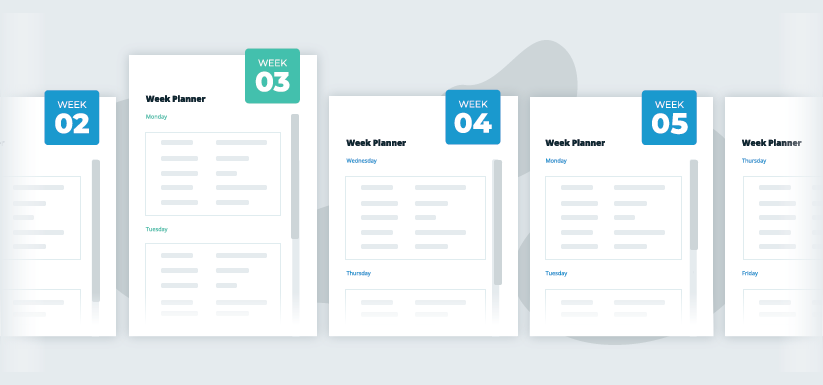
Your Six-Week Edu-Marketing Countdown to the Summer Holidays
Get your free six-week marketing plan to boost your selling-to-schools strategy ahead of the summer holidays, and secure even more sales come September.
Read Post
Selling to Schools in the Summer Term
Explore the insights of over 3,000 school staff and understand how to shape your education marketing during school's biggest spending period.
Read Post